


Dubai Commercial Facility Energy Storage Project – Diesel Reduction Solution
2026-09-08
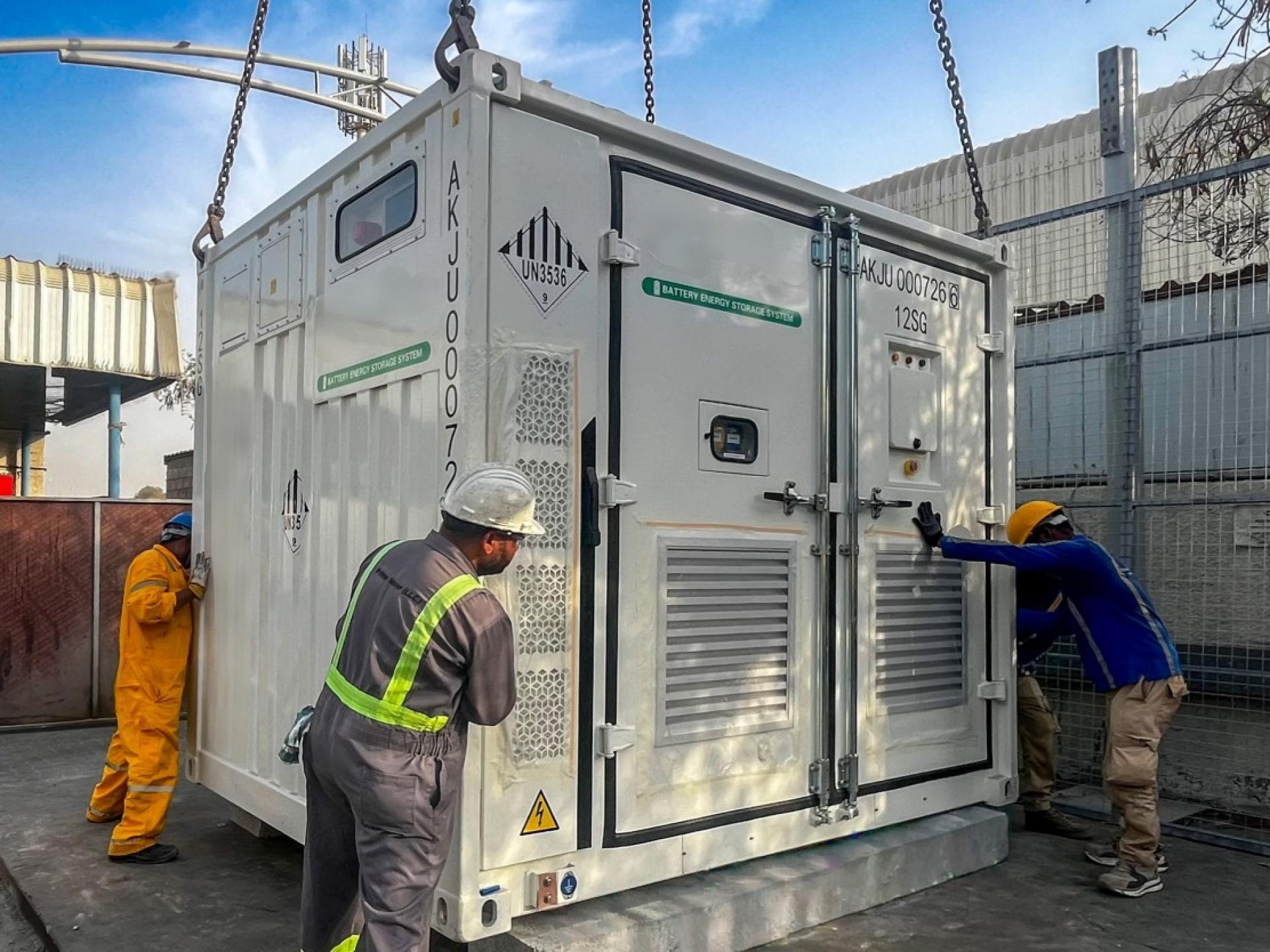
Project Name: Dubai Commercial Facility Battery Energy Storage Project
Location: Dubai, United Arab Emirates
Application: Commercial & Industrial Energy Storage / Diesel Reduction
System Capacity: 200 kW / 422 kWh
Project Overview
Located at the Cummins Arabia Al Quoz facility and workshop in Dubai, UAE, this project uses a 422 kWh / 200 kW battery energy storage system (BESS) to support facility loads during peak-demand hours.The project was designed to reduce diesel generator runtime, lower fuel consumption, and improve energy management.
System Solution
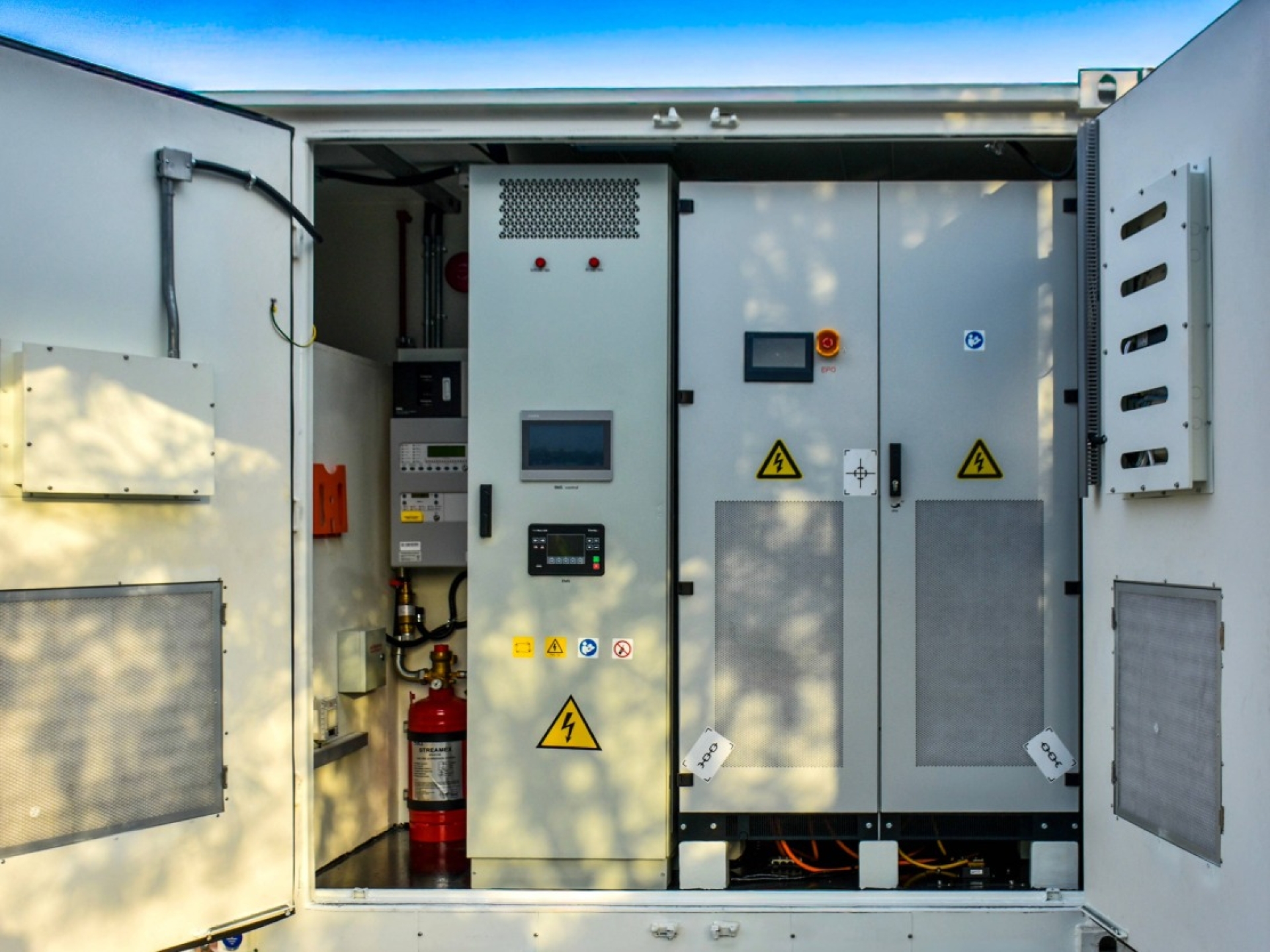
The project uses a BESS with a rated capacity of 422 kWh and 200 kW. The system uses lithium iron phosphate (LFP) batteries and operates at 380–415 V AC, 50 Hz. The battery system uses liquid cooling combined with HVAC and has an IP55 rating.
The BESS supplies energy to the facility during peak load periods, reducing the need to operate diesel generators during these hours.
Challenges & Solutions
Challenge 1: High diesel generator runtime
Before the BESS was installed, the diesel generator operated in prime mode for more than 12 hours per day, resulting in frequent maintenance requirements and higher operating costs.
Solution: The BESS supplies power to the facility during peak-demand periods, reducing generator operating hours and diesel consumption.
Challenge 2: High facility loads during different seasons
The facility has higher loads during the summer, particularly due to cooling demand. During winter, the average load decreases significantly.
Solution: The BESS operating strategy was adjusted according to the facility's load profile. During summer, it provides an average of 4–5 hours of energy, while during winter it can supply the facility for approximately 8–10 hours per day at lower loads.
Fire Safety and System Protection
Safety was an important part of the BESS design. The system uses a multi-level fire and gas protection strategy, including battery-level monitoring, an internal fire suppression system, and an external water-spray interface.
The BESS also uses LFP battery chemistry and liquid cooling with HVAC to support stable operation in Dubai's demanding climate.
Project Operation
The BESS operates as a standalone AC-output energy storage system and supplies the facility during peak load consumption hours, primarily between 7:00 a.m. and 3:00 p.m.
During summer, the facility's average load is approximately 80–90 kW, allowing the BESS to provide around 4–5 hours of energy. During winter, when the average load decreases to approximately 20–30 kW, the BESS can supply energy for approximately 8–10 hours per day.
Measured Results
The project has demonstrated measurable operational benefits.
During the measured operating period, the BESS discharged a total of 12.7 MWh and reduced diesel generator operation by 382 hours. This resulted in approximately 5,443.5 liters of diesel savings.
The recorded diesel cost savings were approximately US$4,373.37, while reduced generator maintenance costs contributed an additional US$3,851.20 in savings. After deducting the utility charging cost, the recorded net savings for Q4 2025 reached US$7,112.97.
Based on the operating data, the project is expected to achieve annual diesel savings of approximately 28,425.63 liters and annual generator runtime savings of approximately 1,363.25 hours.
Project Benefits
By integrating BESS into the facility's existing power system, the project helps reduce diesel generator runtime, lower fuel consumption, reduce generator maintenance requirements, and improve overall energy management.
The system also reduces on-site noise. According to the project data, the containerized generators produce approximately 85 dB(A) at 1 meter, while the BESS operates at approximately 70 dB(A) at 1 meter.
Conclusion
This Dubai project demonstrates how battery energy storage can work alongside conventional diesel generation in commercial and industrial facilities. Instead of completely replacing existing generators, the BESS can reduce unnecessary generator operation during high-demand periods, helping lower fuel consumption, maintenance requirements, and operating costs.
For C&I facilities in regions with high cooling loads, unstable grid conditions, or significant dependence on diesel generation, a properly sized BESS can provide a practical approach to improving energy efficiency and reducing fossil-fuel dependency.

-

 Konut Güç Kaynağının Güvenliğinin Sağlanması: N'Djamena Şebekeden Bağımsız Mikro Şebeke Enerji Depolama Projesi
2026-04-13
-
 Sıfır Kesintili Üretime Olanak Sağlamak: Bamako Film Üfleme Makinesi Şebekeden Bağımsız Enerji Depolama Güçlendirme Projesi
2026-04-13
-
 Öncü İstikrarlı Endüstriyel Güç Kaynağı: Mali Fabrikası Yüksek Güçlü Yük Enerji Depolama Projesi
2026-04-13



 Telefon